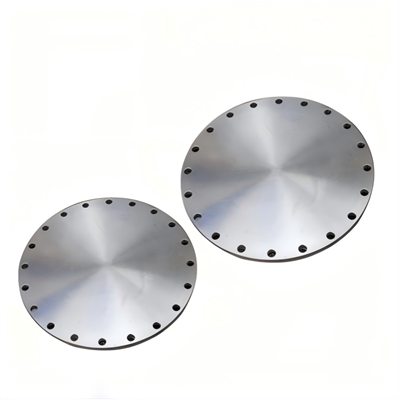
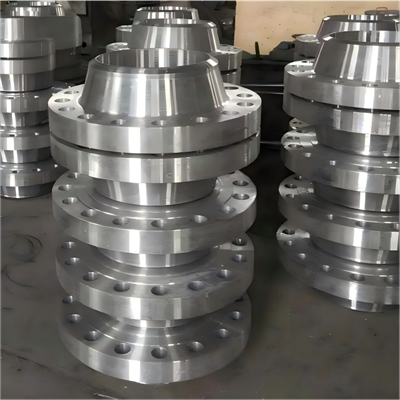
Identifying the authenticity of an EN Blind Flange is crucial, especially if you're in the market for high - quality industrial components. As an EN Blind Flange supplier, I've seen my fair share of counterfeits and genuine products, and I'm here to share some tips on how to tell them apart.
First off, let's understand what an EN Blind Flange is. An EN Blind Flange, you can check out more details here, is a type of flange used to close the end of a pipe or valve. It's designed to withstand high pressure and is commonly made from materials like steel. These flanges are used in a variety of industries, including oil and gas, chemical, and water treatment.
1. Check the Material
One of the first things you should do when trying to identify the authenticity of an EN Blind Flange is to examine the material. Genuine EN Blind Flanges are usually made from high - quality steel. You can start by looking at the surface finish. A real EN Blind Flange will have a smooth, uniform surface. If you notice any rough patches, uneven coloring, or signs of rust that seem out of place, it could be a sign of a counterfeit.
Another way to test the material is through a hardness test. You can use a hardness testing tool, like a Rockwell hardness tester, if you have access to one. Genuine steel used in EN Blind Flanges will have a specific hardness range. If the flange is too soft or too hard, it might not be the real deal.
2. Examine the Dimensions
Accurate dimensions are a key characteristic of a genuine EN Blind Flange. These flanges are manufactured to strict European standards, so any deviation in size can be a red flag. You'll want to measure the outer diameter, inner diameter, thickness, and bolt hole diameter.
Use a reliable measuring tool, such as a caliper, to get precise measurements. Compare the measurements you take with the specifications provided in the relevant EN standards. If the measurements are off by even a small margin, it could indicate a counterfeit product. For example, if the bolt hole diameter is slightly larger or smaller than the standard, it might not fit properly when you try to install the flange.
3. Look for Certification Marks
Genuine EN Blind Flanges should come with proper certification marks. These marks indicate that the flange has been tested and meets the required European standards. Look for marks like the CE mark, which is a common certification for products sold in the European Union.
The CE mark shows that the product complies with health, safety, and environmental protection standards. You can also check for other industry - specific certifications. If the flange doesn't have any certification marks, or if the marks look fake or poorly printed, it's likely a counterfeit.
4. Evaluate the Manufacturing Process
The manufacturing process can also give you clues about the authenticity of an EN Blind Flange. High - quality flanges are usually forged or machined. Forged flanges are made by shaping metal under extreme pressure, which results in a stronger and more durable product. Machined flanges, on the other hand, are created by cutting and shaping metal with precision machinery.
You can look for signs of the manufacturing process on the flange itself. Forged flanges often have a more uniform grain structure, which you might be able to see with a magnifying glass. Machined flanges will have smooth, precise cuts. If the flange looks like it was poorly cast or has a rough, inconsistent texture, it's probably not a genuine EN Blind Flange.
5. Compare with Known Genuine Products
If you have access to a known genuine EN Blind Flange, compare your suspect flange with it. Look at the details, such as the shape, surface finish, and markings. You can also compare the weight, as a genuine and a counterfeit flange of the same size might have different weights due to differences in material quality.
If possible, take both flanges to a professional for a side - by - side inspection. They might be able to spot differences that you can't notice on your own.


6. Consider the Price
Price can be a big indicator of authenticity. If a deal seems too good to be true, it probably is. Counterfeit EN Blind Flanges are often sold at significantly lower prices than genuine ones. The manufacturers of counterfeits cut costs by using cheaper materials and less - rigorous manufacturing processes.
So, if you come across an EN Blind Flange that's being sold at a rock - bottom price, be extremely cautious. It's likely that you're looking at a counterfeit product.
7. Verify the Supplier
When buying an EN Blind Flange, the supplier's reputation is crucial. As an EN Blind Flange supplier myself, I know that a good supplier will have a track record of providing high - quality products. Look for suppliers who have been in the business for a long time and have positive customer reviews.
You can also ask the supplier for references or examples of projects where their flanges have been used. A reliable supplier will be more than happy to provide this information. If a supplier is hesitant or evasive when you ask for details, it's a sign that you should look elsewhere.
Other Related Flanges and Their Differences
It's also important to know the differences between an EN Blind Flange and other types of flanges. For example, the Steel Plate Flange is another common type of flange. Steel Plate Flanges are usually made from steel plates and are used in low - pressure applications. They have a simpler design compared to EN Blind Flanges and are often less expensive.
Then there's the EN Slip - on Flange. This type of flange slides over the pipe and is then welded in place. It's easier to install than an EN Blind Flange but might not be as strong in high - pressure situations.
By understanding these differences, you can make sure you're getting the right flange for your specific needs, and also better identify if an EN Blind Flange you're considering is authentic.
In conclusion, identifying the authenticity of an EN Blind Flange requires a combination of careful inspection, knowledge of standards, and good judgment. Whether you're in the oil and gas industry, chemical processing, or any other field that uses these flanges, it's essential to ensure you're using genuine products.
If you're in the market for high - quality EN Blind Flanges, I'm here to help. I've got a wide range of genuine EN Blind Flanges that meet all the necessary standards. Don't hesitate to reach out for more information or to start a procurement discussion. I'm confident that I can provide you with the right flanges for your project.
References
- European Standards for Flanges (EN series)
- Industry - specific guides on flange inspection and quality control.