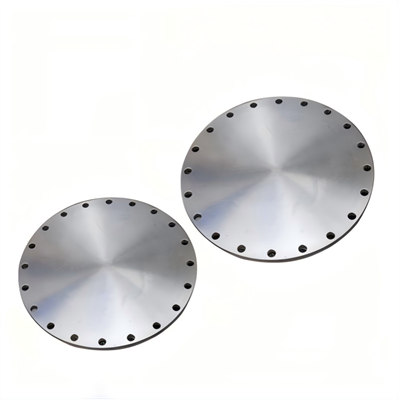
Hey there! As an EN flanges supplier, I often get asked about the materials these flanges are made of. EN flanges, which follow the European Norm standards, are used in a wide range of industries, from oil and gas to water treatment. Let's dive into the different materials that are commonly used to make EN flanges.
Carbon Steel
Carbon steel is one of the most popular materials for EN flanges. It's known for its strength and durability, making it suitable for high-pressure and high-temperature applications. Carbon steel flanges can handle a lot of stress without deforming, which is crucial in industries like oil and gas, where pipelines need to withstand extreme conditions.

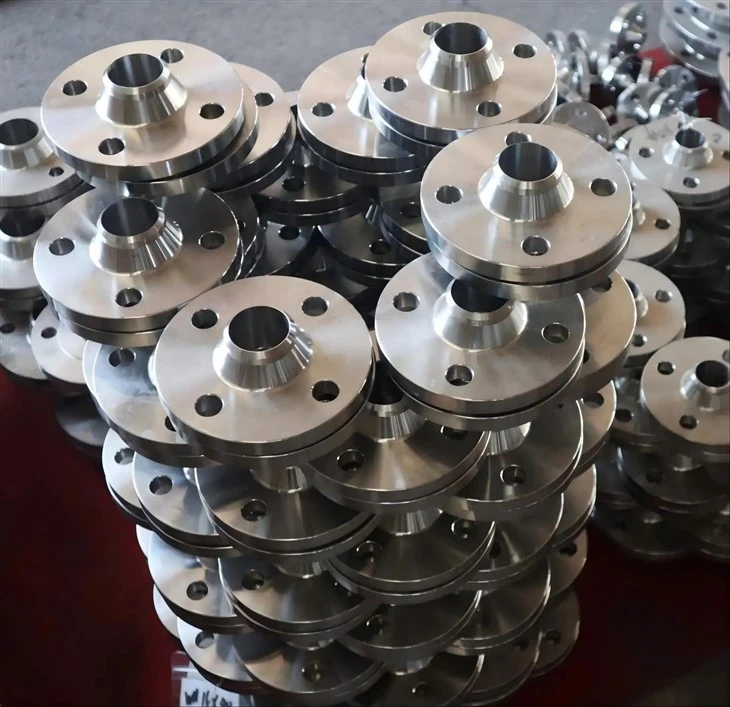
There are different grades of carbon steel, and the choice depends on the specific requirements of the application. For example, ASTM A105 is a common grade used for forged carbon steel flanges. It has good weldability and can be used in a variety of environments. Another grade, ASTM A350 LF2, is often used in low-temperature applications because it can maintain its toughness even at very cold temperatures.
Carbon steel flanges are relatively affordable compared to some other materials, which makes them a cost-effective choice for many projects. They're also widely available, so you can easily find the right size and type of flange for your needs. If you're looking for a reliable and budget-friendly option, carbon steel EN flanges might be the way to go. You can check out our EN Blind Flange and EN Weld Neck Flange made of carbon steel.
Stainless Steel
Stainless steel is another popular material for EN flanges, especially in applications where corrosion resistance is important. Stainless steel contains chromium, which forms a protective layer on the surface of the flange, preventing rust and corrosion. This makes it ideal for use in industries like food processing, chemical processing, and marine applications.
There are several grades of stainless steel, with 304 and 316 being the most commonly used. Grade 304 stainless steel is a general-purpose grade that offers good corrosion resistance and is relatively easy to fabricate. Grade 316 stainless steel, on the other hand, contains molybdenum, which enhances its corrosion resistance, especially in environments with high chloride content, such as seawater.
Stainless steel flanges are more expensive than carbon steel flanges, but they offer better long-term performance, especially in corrosive environments. They also have a more aesthetically pleasing appearance, which can be important in some applications. If you need a flange that can withstand harsh conditions and look good at the same time, stainless steel EN flanges are a great choice. Check out our EN Slip-on Flange made of stainless steel.
Alloy Steel
Alloy steel is a type of steel that contains additional elements, such as nickel, chromium, and molybdenum, to enhance its properties. Alloy steel flanges are often used in high-temperature and high-pressure applications, where carbon steel may not be sufficient. These flanges offer better strength, toughness, and corrosion resistance compared to carbon steel.
One of the most common grades of alloy steel used for flanges is ASTM A387. This grade is used in applications where high strength and resistance to corrosion at elevated temperatures are required, such as in power plants and refineries. Alloy steel flanges can be more expensive than carbon steel flanges, but they offer superior performance in demanding applications.
Cast Iron
Cast iron is a traditional material for flanges, and it's still used in some applications today. Cast iron flanges are known for their excellent castability, which means they can be easily shaped into complex designs. They also have good wear resistance and can withstand high pressures.
However, cast iron is more brittle than steel, which means it can crack under stress. It's also not as corrosion-resistant as stainless steel, so it's not suitable for use in corrosive environments. Cast iron flanges are often used in low-pressure applications, such as in water distribution systems.
Other Materials
In addition to the materials mentioned above, EN flanges can also be made from other materials, such as aluminum, bronze, and plastic. Aluminum flanges are lightweight and have good corrosion resistance, making them suitable for applications where weight is a concern, such as in aerospace and automotive industries. Bronze flanges are often used in applications where good wear resistance and low friction are required, such as in valves and pumps. Plastic flanges are lightweight, corrosion-resistant, and inexpensive, making them a popular choice for low-pressure applications in the chemical and water treatment industries.
Choosing the Right Material
When choosing the material for your EN flanges, there are several factors to consider. First, you need to consider the application. If you're working in a high-pressure or high-temperature environment, you'll need a flange made of a material that can withstand these conditions, such as carbon steel or alloy steel. If corrosion resistance is a concern, stainless steel or another corrosion-resistant material may be the best choice.
You also need to consider the cost. Some materials, such as stainless steel and alloy steel, are more expensive than others, such as carbon steel and cast iron. You need to balance the cost with the performance requirements of your application.
Finally, you need to consider the availability of the material. Some materials may be more difficult to find than others, especially if you need a specific grade or size of flange. As an EN flanges supplier, we can help you choose the right material for your needs and ensure that you get the flanges you need in a timely manner.
Contact Us for Your EN Flanges Needs
If you're in the market for EN flanges, we'd love to help. We offer a wide range of flanges made from different materials, including carbon steel, stainless steel, alloy steel, and more. Whether you need a EN Blind Flange, EN Weld Neck Flange, or EN Slip-on Flange, we've got you covered.
Our team of experts can help you choose the right material and size of flange for your application. We can also provide you with competitive pricing and fast delivery. So, if you're ready to start your next project, don't hesitate to contact us. We're here to make the process as easy and stress-free as possible.
References
- ASME B16.5 - Pipe Flanges and Flanged Fittings
- ASTM Standards for Steel Flanges
- European Norm (EN) Standards for Flanges