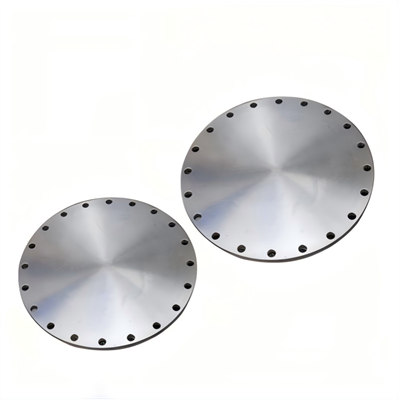
ASME blind flanges are crucial components in various industrial piping systems. They are used to close the end of a pipe, valve, or pressure vessel, providing a reliable seal and preventing the flow of fluids. As an ASME blind flange supplier, I have extensive knowledge of the materials used to manufacture these flanges. In this blog, I will discuss the different materials commonly used for ASME blind flanges, their properties, and applications.
Carbon Steel
Carbon steel is one of the most widely used materials for ASME blind flanges. It is known for its high strength, durability, and affordability. Carbon steel flanges are suitable for a wide range of applications, including oil and gas, chemical, and power industries.
There are different grades of carbon steel used for flanges, such as ASTM A105, ASTM A350 LF2, and ASTM A694 F42. ASTM A105 is a common grade for general-purpose applications, offering good strength and weldability. ASTM A350 LF2 is used in low-temperature applications, as it has excellent impact resistance at low temperatures. ASTM A694 F42 is typically used for high-pressure applications, such as in the oil and gas industry.
Carbon steel flanges can be manufactured through forging or casting processes. Forged flanges are generally stronger and more reliable than cast flanges, as they have a more uniform grain structure. However, cast flanges are more cost-effective for large-scale production.
Stainless Steel
Stainless steel is another popular material for ASME blind flanges, especially in applications where corrosion resistance is required. Stainless steel flanges are commonly used in the food and beverage, pharmaceutical, and chemical industries.
The most common grades of stainless steel used for flanges are ASTM A182 F304 and ASTM A182 F316. ASTM A182 F304 is a general-purpose stainless steel with good corrosion resistance and mechanical properties. ASTM A182 F316 contains molybdenum, which provides enhanced corrosion resistance, especially in chloride environments.
Stainless steel flanges can be forged or machined from solid bar stock. They offer excellent resistance to corrosion, oxidation, and pitting, making them suitable for harsh environments. Additionally, stainless steel flanges have a smooth surface finish, which reduces the risk of product contamination in industries such as food and pharmaceuticals.
Alloy Steel
Alloy steel flanges are used in applications where high strength and resistance to wear and corrosion are required. Alloy steel contains various alloying elements, such as chromium, nickel, molybdenum, and vanadium, which enhance its mechanical properties.
Common grades of alloy steel used for flanges include ASTM A182 F11, ASTM A182 F22, and ASTM A182 F51. ASTM A182 F11 and ASTM A182 F22 are used in high-temperature applications, such as in power plants and refineries. ASTM A182 F51, also known as duplex stainless steel, offers a combination of high strength and excellent corrosion resistance.
Alloy steel flanges are typically forged to ensure a uniform grain structure and high strength. They are commonly used in applications where the operating conditions are severe, such as high-pressure and high-temperature environments.
Nickel-Based Alloys
Nickel-based alloys are used in applications where extreme corrosion resistance and high-temperature performance are required. These alloys are commonly used in the chemical, petrochemical, and aerospace industries.
Some of the popular nickel-based alloys used for flanges include Inconel 600, Inconel 625, and Hastelloy C-276. Inconel 600 offers excellent resistance to oxidation and corrosion at high temperatures. Inconel 625 has high strength and excellent corrosion resistance in a wide range of environments. Hastelloy C-276 is known for its outstanding resistance to pitting, crevice corrosion, and stress corrosion cracking.


Nickel-based alloy flanges are usually forged or machined from solid bar stock. They are more expensive than carbon steel or stainless steel flanges but offer superior performance in demanding applications.
Comparison of Materials
When choosing the material for ASME blind flanges, several factors need to be considered, including the operating conditions, corrosion resistance requirements, and cost. Here is a comparison of the different materials:
- Carbon Steel: Affordable, high strength, suitable for general-purpose applications. However, it is prone to corrosion in certain environments.
- Stainless Steel: Good corrosion resistance, suitable for applications where product contamination is a concern. More expensive than carbon steel.
- Alloy Steel: High strength and resistance to wear and corrosion. Suitable for high-temperature and high-pressure applications.
- Nickel-Based Alloys: Excellent corrosion resistance and high-temperature performance. Ideal for extreme environments but very expensive.
Applications of ASME Blind Flanges
ASME blind flanges are used in a wide range of industries and applications, including:
- Oil and Gas Industry: Blind flanges are used to close the ends of pipelines, valves, and pressure vessels in oil and gas production, refining, and transportation.
- Chemical Industry: They are used in chemical processing plants to prevent the leakage of hazardous chemicals.
- Power Generation: Blind flanges are used in power plants to isolate sections of the piping system during maintenance and repair.
- Food and Beverage Industry: Stainless steel blind flanges are used to ensure the hygiene and safety of food and beverage production processes.
- Pharmaceutical Industry: They are used in pharmaceutical manufacturing to prevent contamination and ensure product quality.
Conclusion
In conclusion, the choice of material for ASME blind flanges depends on the specific requirements of the application. Carbon steel is a popular choice for general-purpose applications due to its affordability and high strength. Stainless steel is preferred in applications where corrosion resistance is crucial. Alloy steel and nickel-based alloys are used in demanding applications where high strength, wear resistance, and corrosion resistance are required.
As an ASME blind flange supplier, I offer a wide range of flanges made from different materials to meet the diverse needs of my customers. Whether you need a Steel Slip On Flange, Socket Weld Pipe Flange, or Stainless Steel Forged Flange, I can provide you with high-quality products at competitive prices.
If you are interested in purchasing ASME blind flanges or have any questions about the materials and applications, please feel free to contact me for further discussion. I am committed to providing excellent customer service and ensuring that you get the right flanges for your specific needs.
References
- ASME Boiler and Pressure Vessel Code
- ASTM Standards for Flanges
- Manufacturer's Catalogs and Technical Data Sheets