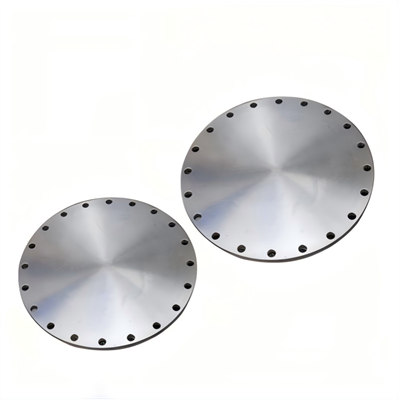
Hey there! I'm a supplier of ASME blind flanges, and today I want to talk about the differences between ASME blind flanges for on - shore and off - shore applications.
1. Environment - related Differences
On - shore Applications
On - shore environments are generally more stable compared to off - shore ones. On land, the temperature variations are relatively less extreme in most cases. For example, in a normal industrial area on - shore, the temperature might range from - 20°C to 40°C. This means that the ASME blind flanges used on - shore don't need to withstand the same level of temperature fluctuations as those used off - shore.


The humidity levels on - shore can vary depending on the location. In coastal areas, the humidity can be quite high, but it's still not as harsh as the constant salt - laden air off - shore. The corrosion rate of on - shore blind flanges is usually slower. We can use Steel Line Blanks in many on - shore applications. These blanks are made of steel and can handle the normal wear and tear in on - shore industrial settings.
The mechanical stress on on - shore flanges is mainly from the normal operation of the piping systems. For instance, in a chemical plant on - shore, the pressure in the pipes might be relatively stable, and the flanges are mainly used to seal the pipes and prevent leaks.
Off - shore Applications
Off - shore environments are extremely harsh. The temperature can vary from very cold in the deep sea to relatively warm on the surface, especially in tropical regions. The temperature differences can cause the materials of the blind flanges to expand and contract, which puts a lot of stress on the flanges.
The salt - water environment off - shore is a major factor. The salt in the water accelerates the corrosion process. ASME blind flanges used off - shore need to be made of materials that are highly resistant to corrosion, such as Stainless Steel Forged Flange. Stainless steel has excellent corrosion - resistant properties, which can help the flanges last longer in the off - shore environment.
The mechanical stress off - shore is also much higher. The waves, tides, and the movement of the offshore platforms can cause vibrations and dynamic loads on the piping systems. The flanges need to be able to withstand these forces without failing.
2. Design and Manufacturing Differences
On - shore Flanges
On - shore ASME blind flanges are often designed with a focus on cost - effectiveness and ease of installation. The manufacturing process can be more straightforward. For example, they can be made using standard machining processes. The dimensions and tolerances are usually in line with the normal industrial standards.
The surface finish of on - shore flanges doesn't need to be as smooth as off - shore ones. A relatively rough surface can still provide a good seal in on - shore applications. The bolt holes are designed to match the standard pipe sizes and the normal pressure ratings of on - shore piping systems.
Off - shore Flanges
Off - shore flanges require more precise design and manufacturing. The dimensions need to be very accurate to ensure a proper fit in the offshore piping systems. The surface finish is crucial because a smooth surface can help prevent the accumulation of salt and other corrosive substances.
The manufacturing process for off - shore flanges often involves more advanced techniques, such as forging. Forged flanges are stronger and more reliable, which is essential for withstanding the harsh off - shore conditions. The bolt holes are designed to handle the higher pressures and dynamic loads off - shore.
3. Material Differences
On - shore Flanges
As mentioned earlier, on - shore flanges can be made of a variety of materials. Carbon steel is a common choice because it's relatively inexpensive and can meet the requirements of many on - shore applications. For less corrosive environments, Threaded Pipe Flange made of carbon steel can be used. These flanges are easy to install and can provide a good seal.
Off - shore Flanges
Off - shore flanges need to be made of materials with high corrosion resistance. Stainless steel is the most commonly used material. It contains elements such as chromium and nickel, which form a protective layer on the surface of the flange, preventing corrosion. In some cases, super - alloys might also be used for off - shore flanges, especially in high - pressure and high - temperature applications.
4. Maintenance and Inspection Differences
On - shore Flanges
On - shore flanges are relatively easier to maintain and inspect. They are usually more accessible, and the inspection can be done without the need for special equipment in most cases. The maintenance frequency is usually lower because the corrosion rate is slower.
Off - shore Flanges
Off - shore flanges require more frequent and thorough maintenance and inspection. Special equipment might be needed to access the flanges, especially in deep - sea applications. The inspection needs to be more detailed to detect any signs of corrosion or damage early.
Conclusion
In conclusion, there are significant differences between ASME blind flanges for on - shore and off - shore applications. These differences are mainly due to the different environments, design requirements, materials, and maintenance needs. As a supplier of ASME blind flanges, I understand the importance of providing the right flanges for different applications.
If you're in the market for ASME blind flanges, whether for on - shore or off - shore applications, I'd be more than happy to have a chat with you. We can discuss your specific requirements and find the best solution for your project. So, don't hesitate to reach out and start a procurement discussion with me!
References
- ASME standards for flange design and manufacturing
- Industry reports on on - shore and off - shore piping systems
- Research papers on corrosion resistance of materials used in flanges