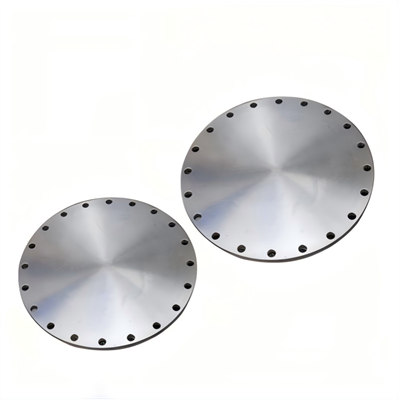
Oxidation resistance is a crucial property for many industrial components, and BS Plate Flanges are no exception. As a supplier of BS Plate Flanges, I've witnessed firsthand the significance of understanding and ensuring the oxidation resistance of these products. In this blog, we'll delve into what oxidation resistance means for BS Plate Flanges, the factors that influence it, and how it impacts their performance in various applications.
Understanding Oxidation Resistance
Oxidation is a chemical reaction that occurs when a metal comes into contact with oxygen in the air or other oxidizing agents. This reaction leads to the formation of metal oxides on the surface of the metal. In the case of BS Plate Flanges, oxidation can cause a range of problems, including corrosion, reduced mechanical strength, and a decrease in the overall lifespan of the flanges.
Oxidation resistance refers to the ability of a material to resist this oxidation process. A flange with high oxidation resistance will be less likely to form rust or other forms of corrosion, ensuring its integrity and performance over time. This is particularly important in industries where flanges are exposed to harsh environments, such as chemical processing, oil and gas, and marine applications.
Factors Affecting the Oxidation Resistance of BS Plate Flanges
Material Composition
The material used to manufacture BS Plate Flanges plays a significant role in their oxidation resistance. Common materials for these flanges include carbon steel, stainless steel, and alloy steel.
Carbon steel is a widely used material due to its affordability and good mechanical properties. However, it has relatively low oxidation resistance, especially in environments with high humidity or exposure to corrosive substances. Stainless steel, on the other hand, contains chromium, which forms a thin, protective oxide layer on the surface of the metal. This layer acts as a barrier, preventing further oxidation and giving stainless steel excellent oxidation resistance. Alloy steel, which contains other elements such as nickel, molybdenum, and titanium, can also have enhanced oxidation resistance depending on its composition.
Surface Finish
The surface finish of a BS Plate Flange can also affect its oxidation resistance. A smooth, polished surface is less likely to trap moisture and contaminants, reducing the risk of oxidation. Additionally, some surface treatments, such as galvanizing or coating, can provide an extra layer of protection against oxidation. Galvanizing involves applying a layer of zinc to the surface of the flange, which acts as a sacrificial anode, protecting the underlying metal from corrosion. Coatings, such as epoxy or polyurethane, can also provide a barrier against oxygen and moisture.
Environmental Conditions
The environment in which the BS Plate Flanges are used has a significant impact on their oxidation resistance. Flanges used in coastal areas, for example, are exposed to saltwater, which is highly corrosive. In such environments, the oxidation rate can be much higher compared to flanges used in inland, dry environments. Similarly, flanges used in chemical processing plants may be exposed to various chemicals, some of which can accelerate the oxidation process.
Importance of Oxidation Resistance in BS Plate Flanges
Safety and Reliability
In many industrial applications, the safety and reliability of equipment are of utmost importance. BS Plate Flanges are used to connect pipes and other components, and any failure due to oxidation can lead to leaks, which can be dangerous and costly. For example, in the oil and gas industry, a leak in a pipeline can result in the release of hazardous substances, causing environmental damage and posing a risk to human life. By ensuring high oxidation resistance, we can minimize the risk of such failures and ensure the safe and reliable operation of the equipment.
Cost-Effectiveness
Oxidation can lead to the degradation of BS Plate Flanges over time, requiring frequent replacement. This can be a significant cost for industries, especially those with large-scale operations. By using flanges with high oxidation resistance, we can extend their lifespan and reduce the need for frequent replacements, resulting in cost savings in the long run.


Performance
Oxidation can also affect the performance of BS Plate Flanges. For example, corrosion can cause the flanges to become loose or misaligned, leading to reduced sealing performance. This can result in leaks and a decrease in the efficiency of the system. By maintaining the oxidation resistance of the flanges, we can ensure their optimal performance and the smooth operation of the equipment.
How to Ensure the Oxidation Resistance of BS Plate Flanges
Selecting the Right Material
As mentioned earlier, the material composition is a key factor in determining the oxidation resistance of BS Plate Flanges. When selecting flanges, it's important to consider the specific requirements of the application and choose a material that offers the appropriate level of oxidation resistance. For example, in highly corrosive environments, stainless steel or alloy steel flanges may be a better choice than carbon steel flanges.
Proper Surface Treatment
Applying a suitable surface treatment can significantly enhance the oxidation resistance of BS Plate Flanges. As mentioned, galvanizing and coating are common methods used to protect the flanges from oxidation. It's important to ensure that the surface treatment is applied correctly and that the coating or galvanizing layer is of high quality.
Regular Inspection and Maintenance
Regular inspection and maintenance are essential to ensure the long-term oxidation resistance of BS Plate Flanges. Inspections can help detect any signs of oxidation or corrosion early on, allowing for timely repairs or replacements. Maintenance activities, such as cleaning and lubrication, can also help prevent the accumulation of contaminants and moisture on the surface of the flanges, reducing the risk of oxidation.
Conclusion
In conclusion, the oxidation resistance of BS Plate Flanges is a critical factor that affects their performance, safety, and cost-effectiveness. By understanding the factors that influence oxidation resistance and taking appropriate measures to ensure it, we can provide high-quality flanges that meet the needs of our customers.
If you're in the market for BS Plate Flanges or have any questions about their oxidation resistance, I encourage you to explore our BS Plate Flange product range. We also offer BS Weld Neck Flanges for applications that require a different type of flange. Feel free to reach out to us to discuss your specific requirements and start a procurement negotiation.
References
- ASM Handbook, Volume 13A: Corrosion: Fundamentals, Testing, and Protection
- ASTM International Standards on Flanges and Fittings
- Industrial Corrosion Handbook by Pierre R. Roberge