Hey there! As a pipe fittings supplier, I often get asked about the difference between a coupling and a union pipe fitting. It might seem like a small detail, but understanding these differences can make a huge impact on your piping projects. So, let's dive right in and break it down.
What is a Coupling?
A coupling is a simple yet essential pipe fitting. It's designed to connect two pipes of the same or different sizes together in a straight line. Couplings come in various materials like steel, copper, and PVC, each with its own set of uses and advantages.
One of the main features of a coupling is its simplicity. It usually consists of a short piece of pipe with socket ends on both sides. You just slide the ends of the two pipes into the coupling, and then you can use methods like soldering (for copper), gluing (for PVC), or threading (for steel) to secure the connection.
Couplings are great for permanent connections. Once they're installed, it's not easy to take them apart without damaging the pipes or the fitting itself. This makes them ideal for situations where you don't need to frequently disconnect the pipes, like in a fixed plumbing system or a long - distance pipeline.
For example, if you're building a water supply line in a building, you can use couplings to join sections of pipes together. They provide a strong and leak - proof connection that can withstand the pressure of the flowing water.
What is a Union?
On the other hand, a union is a more flexible type of pipe fitting. It's designed to allow for easy disconnection and reconnection of pipes. A typical union consists of three parts: a nut, a female end, and a male end.
The male end of the union is threaded onto one pipe, and the female end is threaded onto the other pipe. Then, the nut is tightened over the connection, creating a seal. The great thing about unions is that you can easily loosen the nut and separate the two pipes whenever you need to perform maintenance, make repairs, or change the configuration of the piping system.
Unions are commonly used in areas where you might need to access the pipes regularly. For instance, in a heating system, you might use unions to connect pipes to radiators. This way, if a radiator needs to be replaced or repaired, you can quickly disconnect it without having to cut the pipes.
Key Differences
1. Installation and Disassembly
The most obvious difference between a coupling and a union is how they're installed and disassembled. As I mentioned earlier, couplings are used for permanent connections. Once you install a coupling, it's meant to stay in place. Disassembling a coupling usually requires cutting the pipes or using special tools to break the seal.
In contrast, unions are designed for easy disassembly. You just need to loosen the nut, and the two pipes can be separated. This makes unions a better choice for applications where you need to make changes or perform maintenance on the piping system.
2. Cost
Couplings are generally less expensive than unions. Since they're simpler in design and don't require the additional parts like nuts and threaded ends, they cost less to manufacture. If you're working on a large - scale project and cost is a major factor, couplings might be the way to go.
However, you need to consider the long - term costs. If you think you'll need to make changes to the piping system in the future, the cost of disassembling and reinstalling couplings could be higher than the initial cost difference between couplings and unions.
3. Application
Couplings are best suited for applications where a permanent connection is required. They're commonly used in water supply systems, sewage systems, and industrial pipelines. For example, in a chemical plant, couplings are used to connect pipes that carry chemicals. The permanent connection ensures that there are no leaks, which is crucial for safety.
Unions, on the other hand, are ideal for applications where flexibility is needed. They're often used in heating and cooling systems, as well as in plumbing fixtures like sinks and toilets. For instance, if you have a sink that needs to be replaced, a union allows you to quickly disconnect the water supply pipes without having to call a professional plumber.
Our Product Range
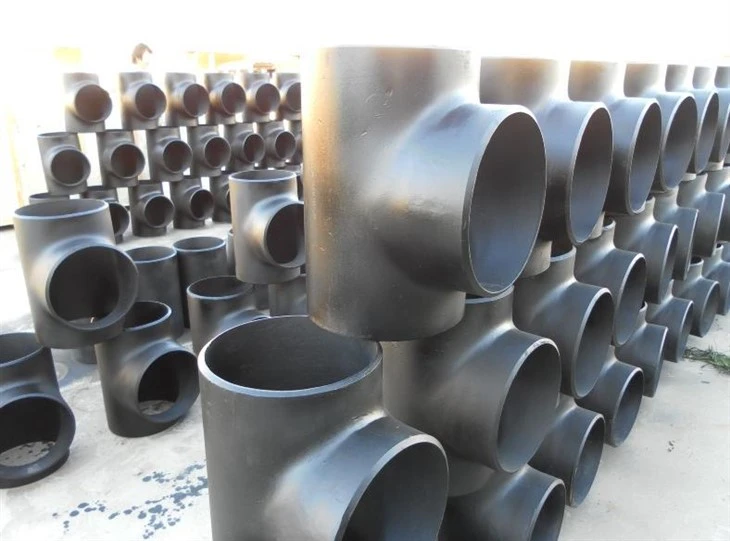
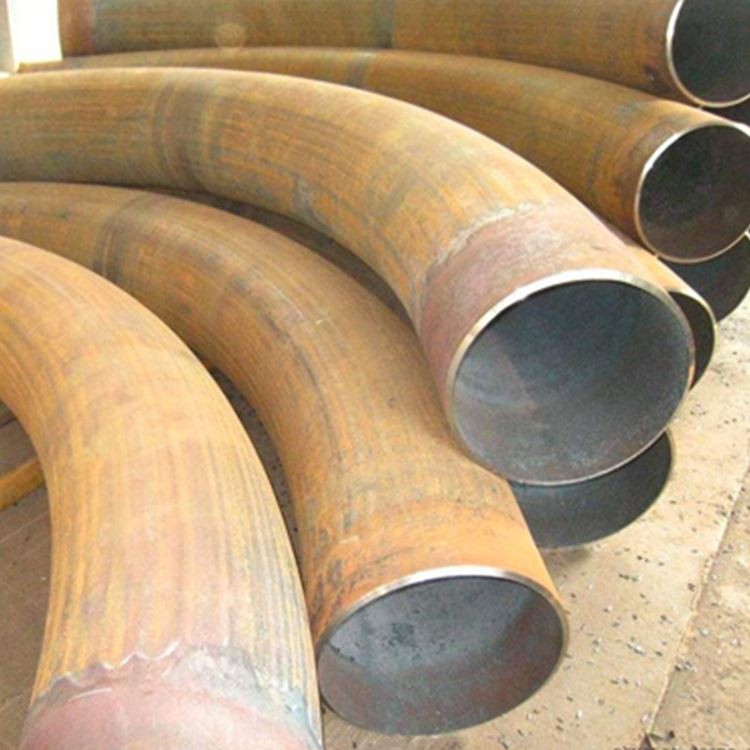
As a pipe fittings supplier, we offer a wide range of couplings and unions to meet your needs. We also have other high - quality pipe fittings like Steel Tee, Pipeline Steel Pipe Bend, and Socket Type Elbow.
Our couplings are made from top - grade materials, ensuring a strong and durable connection. Whether you need a copper coupling for your home plumbing or a steel coupling for an industrial project, we've got you covered.
Our unions are designed for easy installation and disassembly. They're precision - engineered to provide a tight seal, preventing leaks and ensuring the smooth operation of your piping system.
Why Choose Us?
We understand that choosing the right pipe fittings is crucial for the success of your project. That's why we're committed to providing high - quality products at competitive prices. Our team of experts is always ready to help you select the right fittings for your specific needs.
We also offer excellent customer service. If you have any questions about our products or need advice on installation, our friendly staff will be happy to assist you.
Let's Connect
If you're in the market for pipe fittings, whether it's couplings, unions, or other types of fittings, we'd love to hear from you. We can provide you with detailed product information, pricing, and delivery options.
Don't hesitate to reach out to us for a quote or to discuss your project requirements. We're here to make your piping project a success!
References
- "Pipe Fittings Handbook" by John Doe
- "Plumbing Systems Design and Installation" by Jane Smith