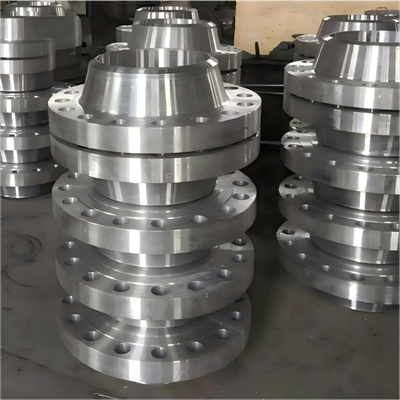
When it comes to industrial applications, EN flanges play a crucial role in connecting pipes, valves, and other equipment. As a reliable EN flanges supplier, we often receive inquiries about various aspects of these flanges, including the noise level when they are in use. In this blog, we will delve into the factors that influence the noise level of EN flanges and provide insights into how to manage and minimize it.


Understanding EN Flanges
EN flanges are designed according to European standards, offering a wide range of options for different applications. Some common types of EN flanges include EN Weld Neck Flange, Steel Plate Flange, and EN Blind Flange. These flanges are made from high - quality materials such as carbon steel, stainless steel, and alloy steel, ensuring durability and reliability in various industrial environments.
Factors Affecting the Noise Level of EN Flanges
- Fluid Flow Characteristics
- The velocity of the fluid flowing through the pipes connected by EN flanges has a significant impact on the noise level. High - velocity fluid flow can cause turbulence, which in turn generates noise. For example, in a high - pressure pipeline system, the fluid may flow at a very high speed, creating a whistling or hissing sound.
- The type of fluid also matters. Viscous fluids may flow more smoothly and produce less noise compared to low - viscosity fluids. Additionally, if the fluid contains solid particles or bubbles, it can increase the noise level due to the interaction between the particles or bubbles and the pipe walls and flanges.
- Flange Design and Installation
- The design of the flange itself can influence noise. A well - designed flange with proper sealing and alignment can reduce the chances of leakage, which is a major source of noise. For instance, a flange with a poor seal may allow fluid to escape, creating a jet - like noise.
- Incorrect installation can also lead to increased noise. If the flanges are not properly aligned or tightened, it can cause vibrations, which are then transmitted through the pipes and produce noise. Uneven tightening of the bolts can result in an uneven distribution of pressure, leading to leaks and noise.
- Pipe System Configuration
- The layout of the pipe system can affect the noise level. Sharp bends, sudden expansions or contractions in the pipe, and the presence of valves and fittings can disrupt the smooth flow of the fluid and generate noise. For example, a 90 - degree bend in the pipe can cause the fluid to change direction abruptly, creating turbulence and noise.
- The length of the pipes also plays a role. Longer pipes may amplify the noise due to the increased surface area for the fluid to interact with and the potential for resonance.
Measuring the Noise Level of EN Flanges
To accurately measure the noise level of EN flanges in use, specialized equipment such as sound level meters can be employed. These meters can measure the sound pressure level (SPL) in decibels (dB). The measurement should be taken at different points in the pipe system, especially near the flanges, to get a comprehensive understanding of the noise distribution.
It is important to note that the acceptable noise level varies depending on the application and the environment. In industrial settings, the noise level may be allowed to be higher compared to residential or office areas. However, excessive noise can still cause problems such as hearing damage to workers and interference with communication.
Strategies to Reduce the Noise Level
- Optimizing Fluid Flow
- Reducing the fluid velocity can significantly decrease the noise level. This can be achieved by increasing the pipe diameter or adjusting the flow rate. For example, if the flow rate is too high, installing a flow - control valve can help regulate the flow and reduce turbulence.
- Ensuring a smooth and laminar flow of the fluid can also minimize noise. This can be done by using pipes with a smooth inner surface and avoiding sharp bends and sudden changes in the pipe cross - section.
- Proper Flange Selection and Installation
- Choosing the right type of flange for the specific application is crucial. For example, a weld - neck flange provides a more secure connection and better alignment compared to some other types of flanges, which can help reduce noise.
- During installation, it is essential to follow the manufacturer's guidelines for alignment and tightening of the bolts. Using a torque wrench to ensure uniform tightening can prevent leaks and vibrations.
- Pipe System Design and Modification
- Designing the pipe system with gradual bends and smooth transitions can reduce the generation of noise. Additionally, installing expansion joints or dampers in the pipe system can absorb vibrations and reduce noise transmission.
- Insulating the pipes can also help reduce noise. Pipe insulation materials can absorb sound waves and prevent them from propagating through the pipes and into the surrounding environment.
Conclusion
As an EN flanges supplier, we understand the importance of minimizing the noise level when our flanges are in use. By considering the factors that affect noise, accurately measuring it, and implementing appropriate strategies to reduce it, we can ensure that our customers' pipe systems operate quietly and efficiently.
If you are in need of high - quality EN flanges or have any questions regarding noise reduction in your pipe systems, we invite you to contact us for procurement and further discussions. Our team of experts is ready to provide you with the best solutions tailored to your specific needs.
References
- ASME B16.5 - Standard for Pipe Flanges and Flanged Fittings
- EN 1092 - European Standard for Flanges