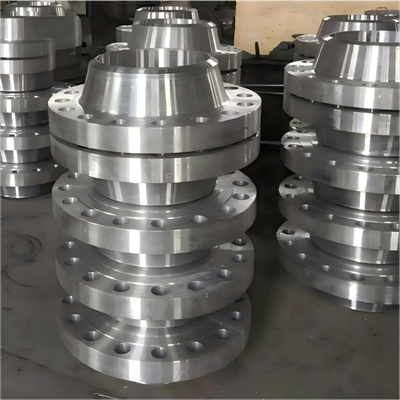
Hey there! I'm an ASME flange supplier, and today I'm gonna talk about the tools needed for ASME flange installation. Whether you're a DIY enthusiast or a professional in the industry, understanding the right tools is crucial for a successful installation.
Measuring Tools
First up, we've got measuring tools. Accurate measurements are the foundation of a proper flange installation. You'll need a good quality tape measure to measure the pipe diameter, flange size, and the distance between bolt holes. A caliper is also essential for getting precise measurements of the flange's thickness and the diameter of the bolt holes. These tools ensure that the flange fits perfectly on the pipe and that all the components align correctly.
Welding Equipment
If you're installing welded flanges, welding equipment is a must. You'll need a welding machine suitable for the type of metal you're working with. For ASME flanges, which are often made of steel, a MIG (Metal Inert Gas) or TIG (Tungsten Inert Gas) welder is commonly used. Along with the welder, you'll need welding rods or wire that match the composition of the flange and the pipe. Safety gear like welding helmets, gloves, and aprons are also essential to protect yourself from the intense heat and sparks.
Torque Wrenches
Torque wrenches are crucial for tightening the bolts on the flange. Over-tightening or under-tightening the bolts can lead to leaks or even structural failure. A torque wrench allows you to apply the correct amount of force to the bolts, ensuring a secure and leak-free connection. Make sure to follow the manufacturer's specifications for the recommended torque value based on the flange size and the type of application.
Pipe Cutters
If you need to cut the pipe to the right length for the flange installation, a pipe cutter is your best friend. There are different types of pipe cutters available, such as manual pipe cutters and power pipe cutters. Manual pipe cutters are suitable for small diameter pipes, while power pipe cutters can handle larger pipes more efficiently. Using a pipe cutter ensures a clean and straight cut, which is essential for a proper fit with the flange.
Flange Alignment Tools
Flange alignment is critical to ensure that the flange and the pipe are properly aligned before installation. Flange alignment tools help you achieve this by keeping the flange and the pipe in the correct position. These tools come in various forms, such as alignment pins, alignment bars, and flange spreaders. They make the installation process much easier and help prevent misalignment, which can cause leaks and other issues.

Sealants and Gaskets
Sealants and gaskets are used to create a leak-proof seal between the flange and the pipe. There are different types of gaskets available, such as rubber gaskets, spiral wound gaskets, and metal gaskets. The type of gasket you choose depends on the application, the pressure, and the temperature. Sealants are also used to fill any gaps and provide an additional layer of protection against leaks. Make sure to choose high-quality sealants and gaskets that are compatible with the flange and the pipe material.
Lifting Equipment
If you're dealing with large or heavy flanges, lifting equipment is necessary to move and position them safely. Cranes, hoists, and forklifts are commonly used for this purpose. Make sure to follow all safety procedures when using lifting equipment to prevent accidents and injuries.
Miscellaneous Tools
In addition to the above tools, there are some other miscellaneous tools that can come in handy during the installation process. These include wrenches, sockets, pliers, and screwdrivers. These tools are used for various tasks, such as removing old gaskets, tightening nuts and bolts, and adjusting the position of the flange.
Now, let's talk about some specific types of ASME flanges and the tools needed for their installation.
ASME Blind Flange
An ASME Blind Flange is used to close the end of a pipe. The tools needed for installing a blind flange are similar to those for other types of flanges. You'll need measuring tools to ensure the correct size, a torque wrench to tighten the bolts, and a gasket to create a seal. In addition, you may need a flange spreader to separate the flange from the pipe if necessary.
Threaded Pipe Flange
A Threaded Pipe Flange is designed to be screwed onto the pipe. The tools needed for installing a threaded pipe flange include a pipe threader to cut the threads on the pipe, a pipe wrench to tighten the flange onto the pipe, and a torque wrench to ensure the correct tightness. You'll also need a gasket to create a seal between the flange and the pipe.
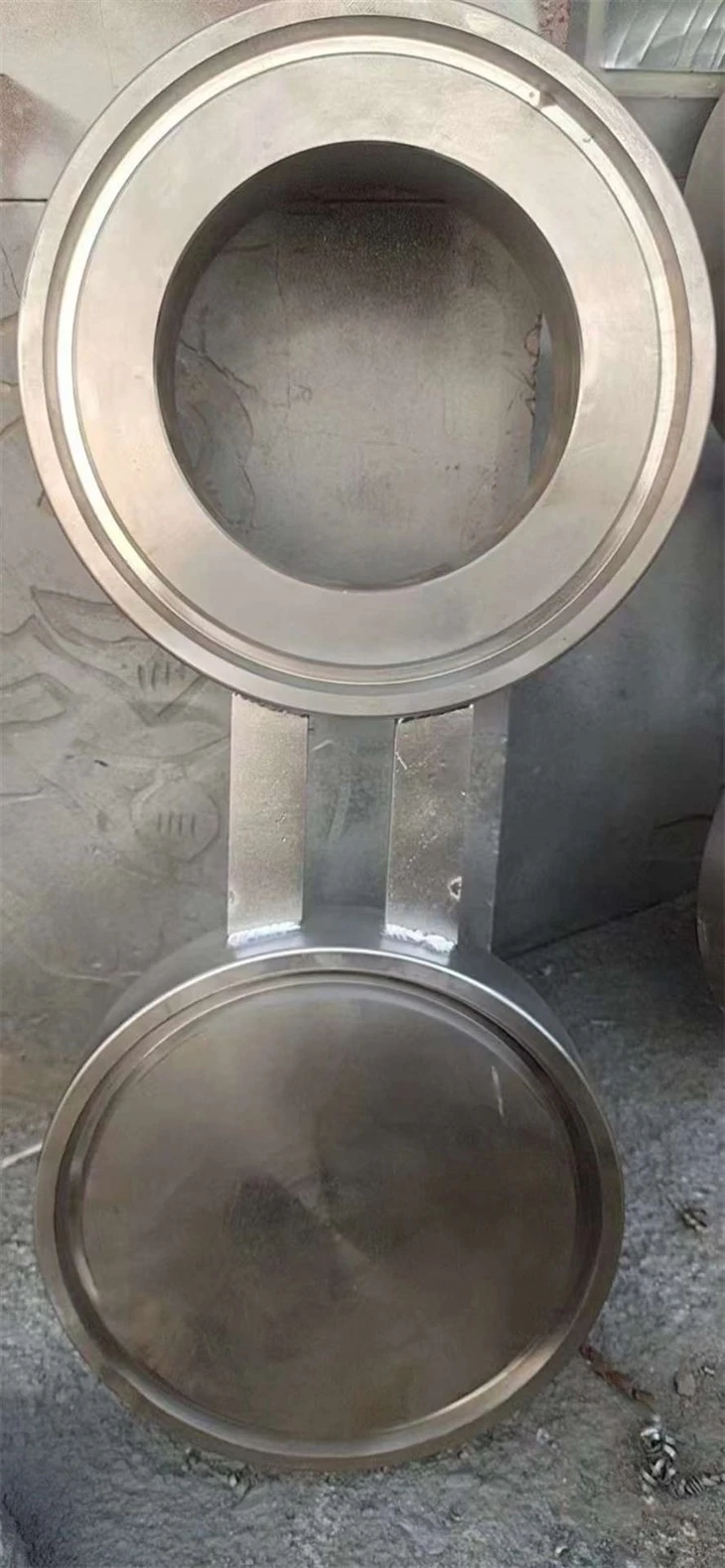
Steel Line Blanks
Steel Line Blanks are used to block off a pipeline. The installation process for steel line blanks is similar to that of other flanges. You'll need measuring tools, a torque wrench, and a gasket. You may also need a flange spreader to separate the blank from the pipe if necessary.
In conclusion, having the right tools is essential for a successful ASME flange installation. Whether you're a professional or a DIYer, make sure to invest in high-quality tools and follow the manufacturer's instructions. If you have any questions or need help with your flange installation, don't hesitate to contact us. We're here to provide you with the best products and services.
References
- ASME B16.5 - Pipe Flanges and Flanged Fittings
- Manufacturer's instructions for ASME flanges and tools