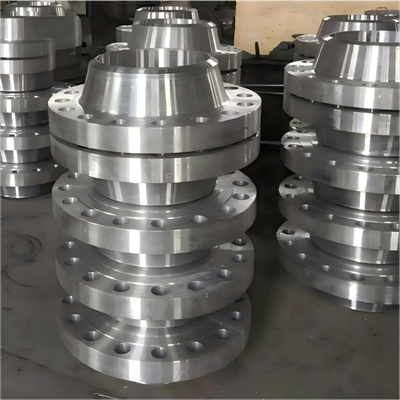
Hey there! I'm a supplier of Steel Plate Flange, and today I'm gonna share with you how to clean a steel plate flange. Steel plate flanges are widely used in various industries, and keeping them clean is crucial for their performance and longevity.


Why Cleaning Steel Plate Flanges is Important
First off, let's talk about why cleaning these flanges is so important. Steel plate flanges are often exposed to harsh environments, like high - pressure fluids, chemicals, and dirt. Over time, dirt, rust, and other contaminants can build up on the surface of the flange. This not only looks bad but can also lead to serious problems. For example, rust can weaken the structure of the flange, and dirt can cause leaks at the flange connection. So, regular cleaning is essential to maintain the integrity and functionality of the Steel Plate Flange.
Tools You'll Need
Before you start cleaning, you'll need to gather some tools. Here's a list of what you'll typically need:
- Wire brush: A wire brush is great for removing loose dirt, rust, and scale from the surface of the flange. You can choose a brush with different bristle thicknesses depending on the amount of dirt and rust.
- Solvent: You'll need a suitable solvent to dissolve grease, oil, and other stubborn contaminants. There are many solvents available on the market, such as acetone or a specialized metal cleaner. Make sure to choose a solvent that is safe for steel and won't damage the flange.
- Rags or towels: You'll use these to wipe off the dirt and solvent after cleaning. Make sure to have plenty of clean rags on hand.
- Safety equipment: Don't forget to wear safety goggles, gloves, and a mask to protect yourself from the solvent and any debris that might fly off during the cleaning process.
Step - by - Step Cleaning Process
Step 1: Preparation
First, you need to make sure the flange is disconnected from any equipment and is in a safe place for cleaning. If the flange is still attached to a pipeline or machinery, you'll need to shut down the system and isolate the flange. This is important for your safety and to prevent any damage to the equipment.
Step 2: Remove Loose Dirt
Use the wire brush to scrub the surface of the flange. Start from the outer edge and work your way towards the center. Brush in different directions to make sure you remove all the loose dirt, rust, and scale. You may need to apply some pressure, especially if the rust is thick.
Step 3: Apply Solvent
Once you've removed the loose dirt, it's time to apply the solvent. Pour a small amount of the solvent onto a rag and gently rub it onto the surface of the flange. Make sure to cover the entire surface, including the bolt holes and the gasket surface. The solvent will dissolve the grease and oil, making it easier to clean.
Step 4: Scrub with the Solvent
After applying the solvent, use the wire brush again to scrub the flange. This time, the solvent will help to loosen the stubborn contaminants. Pay special attention to areas with heavy dirt or rust. You may need to repeat this step a few times if the dirt is really stubborn.
Step 5: Rinse and Dry
Once you've scrubbed the flange with the solvent, rinse it thoroughly with clean water. Make sure to remove all the solvent and dirt from the surface. Then, use a clean rag to dry the flange completely. It's important to dry the flange to prevent rust from forming again.
Step 6: Inspect the Flange
After cleaning and drying, inspect the flange carefully. Look for any signs of damage, such as cracks or excessive wear. If you find any problems, you may need to replace the flange.
Different Types of Steel Plate Flanges and Cleaning Considerations
There are different types of steel plate flanges, such as the EN Slip - on Flange and the EN Weld Neck Flange. Each type may have some specific cleaning considerations.
For the EN Slip - on Flange, since it slides over the pipe, the inner surface and the outer surface need to be cleaned properly. The gasket surface is also very important, as any dirt or damage on this surface can cause leaks.
The EN Weld Neck Flange is welded to the pipe, so you need to be careful not to damage the weld during the cleaning process. Make sure to clean the weld area gently to avoid any cracks or other damage.
Maintaining Cleanliness
Cleaning is not a one - time thing. To keep your steel plate flanges in good condition, you need to maintain their cleanliness regularly. Here are some tips:
- Regular inspections: Inspect the flanges regularly for any signs of dirt, rust, or damage. The earlier you detect a problem, the easier it is to fix.
- Proper storage: When the flanges are not in use, store them in a dry and clean place. This will prevent rust and other contaminants from building up.
- Use protective coatings: You can apply a protective coating to the flanges to prevent rust and corrosion. There are many types of coatings available, such as paint or a special anti - rust coating.
Conclusion
Cleaning a steel plate flange is not a difficult task, but it requires some time and effort. By following the steps I've outlined above, you can keep your Steel Plate Flange in good condition and ensure its optimal performance.
If you're in the market for high - quality steel plate flanges or have any questions about cleaning or using them, feel free to reach out. We're here to help you with all your flange needs and are more than happy to discuss your requirements and find the best solutions for your projects.
References
- General knowledge of steel plate flange maintenance and cleaning from industry experience.
- Manufacturer's guidelines for steel plate flanges.