Hey there! As a pipe bend supplier, I get asked a lot about the difference between threaded and flanged pipe bends. It's a common question, and understanding these differences is crucial for anyone involved in piping systems. So, let's dive right in and break it down.
What Are Threaded Pipe Bends?
Threaded pipe bends are exactly what they sound like - pipe bends with threads on the ends. These threads allow the pipe bend to be screwed onto other pipes or fittings. They're pretty straightforward to install. You just need to make sure the threads match up correctly.
One of the big advantages of threaded pipe bends is their ease of installation. You don't need any special tools other than a wrench. This makes them a popular choice for small - scale projects or DIY jobs. For example, if you're working on a home plumbing project, a threaded pipe bend can be a quick and easy solution.
Another plus is that they're relatively inexpensive. Since the manufacturing process for threaded pipe bends is simpler compared to some other types, they usually cost less. This makes them a budget - friendly option for many applications.
However, there are some downsides. Threaded connections aren't as strong as some other types of connections. Over time, the threads can wear out, especially if there's a lot of vibration or movement in the piping system. This can lead to leaks. Also, threaded pipe bends are generally limited in size. They're not suitable for large - diameter pipes or high - pressure applications.
What Are Flanged Pipe Bends?
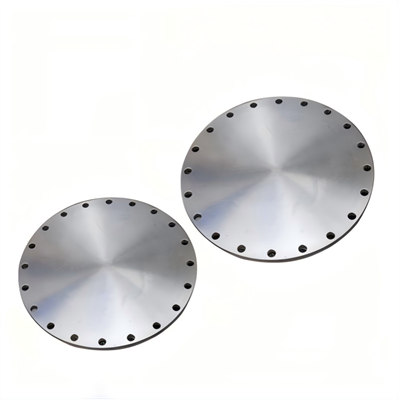
Flanged pipe bends have flanges on the ends. A flange is a flat, circular piece that has holes around the edge. These holes are used to bolt the pipe bend to other pipes or fittings.
The main advantage of flanged pipe bends is their strength. The bolted connection is very secure, which makes them ideal for high - pressure and high - temperature applications. In industrial settings, where the piping systems need to handle large volumes of fluid or gas under extreme conditions, flanged pipe bends are often the go - to choice.
Flanged pipe bends are also easier to disassemble and reassemble compared to some other types of connections. This is great for maintenance and repairs. If there's a problem with a section of the piping system, you can easily remove the flanged pipe bend and replace it or make the necessary repairs.
But flanged pipe bends do have some drawbacks. They're more expensive than threaded pipe bends. The manufacturing process is more complex, and the flanges themselves add to the cost. Also, the installation of flanged pipe bends requires more tools and expertise. You need to align the flanges correctly and tighten the bolts to the right torque, which can be a bit tricky.
Key Differences in Applications
When it comes to applications, the choice between threaded and flanged pipe bends depends on several factors.
For low - pressure and small - scale applications, like residential plumbing or small - business HVAC systems, threaded pipe bends are often the best choice. They're easy to install, inexpensive, and get the job done. You can find Hot Bend Pipe in threaded versions, which are great for these types of applications.
On the other hand, for high - pressure and large - scale applications, such as industrial pipelines, power plants, or oil and gas refineries, flanged pipe bends are the way to go. They can handle the extreme conditions and provide a reliable connection. ASME Bend is a type of flanged pipe bend that meets the strict standards required for these high - end applications.


Considerations for Material and Size
The material and size of the pipe bend also play a role in the choice between threaded and flanged.
In terms of material, both threaded and flanged pipe bends can be made from a variety of materials, such as steel, stainless steel, and PVC. The choice of material depends on the specific application. For example, if the piping system is carrying corrosive fluids, stainless steel would be a better choice.
When it comes to size, threaded pipe bends are typically available in smaller diameters, usually up to a few inches. Larger - diameter pipes usually require flanged connections. Pipeline Steel Pipe Bend is often available in larger sizes and is commonly used in large - scale pipeline projects.
Conclusion
In conclusion, the difference between threaded and flanged pipe bends boils down to their installation method, strength, cost, and application. Threaded pipe bends are easy to install, inexpensive, but not suitable for high - pressure applications. Flanged pipe bends are strong, suitable for high - pressure and high - temperature applications, but more expensive and require more expertise to install.
If you're in the market for pipe bends, whether it's for a small - scale project or a large - scale industrial application, we've got you covered. We offer a wide range of threaded and flanged pipe bends in various materials and sizes. If you have any questions or want to discuss your specific requirements, don't hesitate to reach out. We're here to help you make the right choice for your piping system.
References
- "Piping Handbook" by George Proctor
- "Pipe Fittings: Design, Selection, and Installation" by Carl R. Branan