Flanges are widely recognized in the industrial world for their crucial role in connecting pipes, valves, pumps, and other equipment to form a piping system. A common question that arises is whether flanges can be used in steam systems. As a flanges supplier, I'm here to provide an in - depth analysis of this topic.
Understanding Steam Systems
Steam systems are complex setups that are used in various industries, including power generation, chemical processing, food and beverage, and heating, ventilation, and air - conditioning (HVAC). Steam is generated by heating water, and it can carry a significant amount of energy. In a steam system, steam is transported through pipes from the boiler to the points of use, where it transfers its heat energy to perform work.
The operation of steam systems is characterized by high temperatures and pressures. The pressure can range from a few pounds per square inch (psi) in low - pressure systems to several hundred psi in high - pressure power generation plants. Temperatures can also vary widely, from around 100°C (212°F) at atmospheric pressure to well over 500°C (932°F) in high - pressure superheated steam applications.
Suitability of Flanges for Steam Systems
Flanges can indeed be used in steam systems, and they play a vital role in ensuring the integrity and functionality of the system. Here are the reasons why flanges are a suitable choice for steam applications:
1. Sealing Capability
One of the primary functions of a flange in a piping system is to provide a reliable seal. In steam systems, preventing steam leakage is of utmost importance. Leaking steam not only results in energy loss but can also pose safety hazards, such as burns and scalding. Flanges, when properly installed with appropriate gaskets, can create a tight seal that can withstand the high - pressure and high - temperature conditions of steam systems.
2. Ease of Installation and Maintenance
Flanges allow for easy connection and disconnection of pipes and equipment. This is particularly beneficial in steam systems, where maintenance and repairs may be required periodically. For example, if a valve in a steam line needs to be replaced, the flange connections on either side of the valve can be easily unbolted, and the valve can be removed and replaced without having to cut and weld the pipes.
3. Flexibility and Adaptability
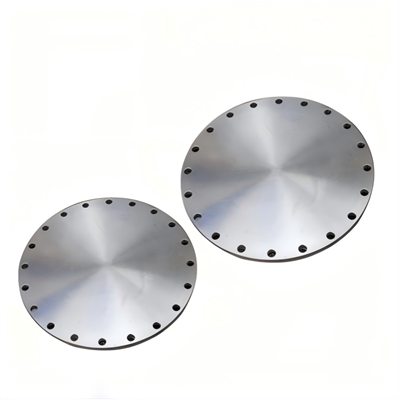
There are different types of flanges available, which can be selected based on the specific requirements of the steam system. For instance, in a system where there is a need to dead - end a pipe, a EN Blind Flange can be used. These flanges are designed to block the end of a pipe, preventing the flow of steam.
Types of Flanges Used in Steam Systems
1. Weld Neck Flanges
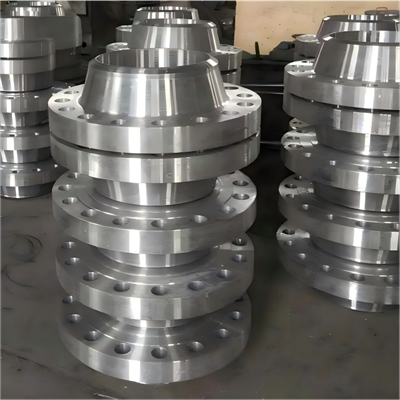
Weld neck flanges are a popular choice for steam systems, especially in high - pressure and high - temperature applications. They have a long tapered hub that is welded to the pipe, providing a strong and durable connection. The tapered hub helps to reduce stress concentration at the weld joint, which is crucial in steam systems where thermal expansion and contraction can cause significant stress on the pipes.
2. Threaded Pipe Flange
Threaded pipe flanges are suitable for low - to medium - pressure steam systems. They have internal threads that allow them to be screwed onto the external threads of the pipe. This type of flange is relatively easy to install and can be used in applications where welding is not feasible or preferred.
3. BS Plate Flange
BS plate flanges, which comply with British Standards, are also used in steam systems. They are flat flanges with a simple design and are typically used in low - pressure and non - critical applications. These flanges are cost - effective and easy to manufacture, making them a popular choice in certain steam system installations.
Factors to Consider When Using Flanges in Steam Systems
1. Material Selection
The material of the flange is crucial in steam systems. It must be able to withstand the high temperatures and pressures of the steam. Common materials for flanges in steam applications include carbon steel, stainless steel, and alloy steel. Carbon steel is suitable for low - to medium - temperature steam systems, while stainless steel and alloy steel are used in high - temperature and corrosive environments.
2. Gasket Selection
The gasket used between the flanges is equally important. It must be able to create a tight seal and resist the high - temperature and high - pressure steam. Materials such as graphite, asbestos - free fiber, and metallic gaskets are commonly used in steam systems. The selection of the gasket depends on factors such as the pressure, temperature, and the type of fluid (in this case, steam).
3. Bolt Tightening
Proper bolt tightening is essential to ensure a leak - free connection in steam systems. Over - tightening the bolts can damage the flange and the gasket, while under - tightening can result in steam leakage. The bolts should be tightened to the specified torque values recommended by the flange and gasket manufacturers.


Quality Assurance in Flanges for Steam Systems
As a flanges supplier, we understand the importance of quality assurance in steam systems. We ensure that all our flanges are manufactured to the highest standards and undergo rigorous testing. This includes non - destructive testing methods such as ultrasonic testing, magnetic particle inspection, and radiographic testing to detect any internal defects in the flanges.
We also provide detailed documentation for each flange, including material certificates, test reports, and dimensional inspection reports. This documentation gives our customers confidence in the quality and performance of our flanges in their steam systems.
Conclusion
In conclusion, flanges are an essential component in steam systems. They offer reliable sealing, ease of installation and maintenance, and flexibility in design. By carefully selecting the right type of flange, material, gasket, and ensuring proper installation, flanges can perform well in the high - temperature and high - pressure conditions of steam systems.
If you are in the process of designing or upgrading a steam system and are in need of high - quality flanges, we invite you to reach out to us. Our team of experts can assist you in selecting the most suitable flanges for your specific requirements. We are committed to providing top - notch products and excellent customer service. Contact us today to start a procurement discussion and find the perfect flanges for your steam system.
References
- "Piping Handbook" by David M. McKetta
- "Steam Engineering and Boiler Management" by Babcock & Wilcox
- Standards and specifications from ASME (American Society of Mechanical Engineers) and EN (European Norms)