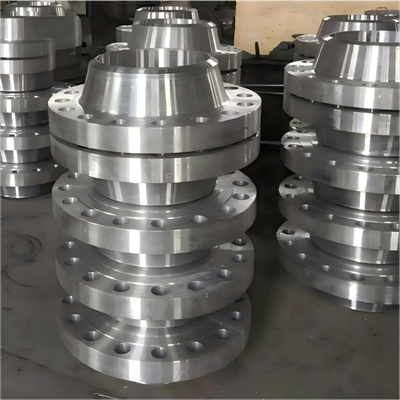
What is the maximum pressure a pipe cap can withstand? That's a question I get asked a lot as a pipe cap supplier. It's a crucial thing to understand, especially when you're dealing with different types of piping systems. So, let's dig into this topic and break it down.
First off, there are several factors that influence the maximum pressure a pipe cap can handle. One of the main ones is the material the pipe cap is made from.
Material Matters
When it comes to materials, we've got a bunch of options. Steel is a common choice. A Steel Pipe Cap is known for its strength and durability. Steel has high tensile strength, which means it can hold up well under pressure. It's often used in industrial settings where pipes are subjected to high - pressure fluids or gases. For example, in oil and gas pipelines, steel pipe caps are used to seal the ends of pipes that are transporting crude oil or natural gas at high pressures.
Stainless steel is another great option. A Stainless Steel Pipe Cap not only has the strength of steel but also offers excellent corrosion resistance. This is super important in environments where the pipes are exposed to moisture, chemicals, or other corrosive substances. Think about water treatment plants or food processing facilities. In these places, stainless steel pipe caps can withstand both the pressure of the flowing fluids and the corrosive effects of the substances they're handling.
There are also ASME - compliant caps, like the ASME Cap. ASME (American Society of Mechanical Engineers) sets standards for pipe fittings, including pipe caps. Caps that meet ASME standards are designed to handle specific pressure ratings. These standards ensure that the pipe caps are of high quality and can perform safely under certain conditions.
Design and Dimensions
The design of the pipe cap plays a significant role in determining its pressure - handling capacity. There are different shapes of pipe caps, such as domed caps and flat caps. A domed cap distributes pressure more evenly across its surface compared to a flat cap. This means that, in general, a domed cap can withstand higher pressures.
The dimensions of the pipe cap are also key. A thicker - walled pipe cap can handle more pressure than a thinner - walled one. The diameter of the cap matters too. Larger - diameter caps may need to be thicker to withstand the same pressure as smaller - diameter caps. This is because the force exerted on the cap is proportional to the area it covers, and a larger area means more force for the same pressure.
Calculating the Maximum Pressure
Calculating the maximum pressure a pipe cap can withstand isn't always straightforward. There are some engineering formulas that take into account the material properties, the design, and the dimensions. For example, for a simple cylindrical pipe cap, the hoop stress formula can be used as a starting point. The hoop stress represents the circumferential stress in the pipe cap wall, and the maximum allowable hoop stress is related to the material's yield strength.


Let's say we have a steel pipe cap. We first need to know the yield strength of the steel. Then, we use the dimensions of the cap (wall thickness, diameter) in the formula. The hoop stress formula is $\sigma = \frac{PD}{2t}$, where $\sigma$ is the hoop stress, $P$ is the internal pressure, $D$ is the outer diameter of the pipe, and $t$ is the wall thickness. By rearranging the formula, we can solve for the maximum pressure $P$ based on the allowable hoop stress of the material.
However, it's important to note that these calculations are idealized, and real - world situations can be more complex. Factors like manufacturing defects, temperature variations, and dynamic loading need to be considered.
Testing and Certification
To ensure that pipe caps can handle the claimed pressure ratings, testing is crucial. Manufacturers often subject pipe caps to pressure testing. This can involve hydraulic testing, where the cap is filled with a fluid (usually water) and pressurized to a certain level. The cap is then inspected for any signs of leakage or deformation.
Certification is also important. As I mentioned earlier, ASME certification is a well - recognized standard. When a pipe cap is ASME - certified, it means that it has been tested and meets the specified pressure and quality requirements. This gives customers confidence in the product's performance.
Industry Applications
Let's take a look at some real - world applications and the pressure requirements. In the petrochemical industry, pipes can carry fluids at extremely high pressures. For example, in a high - pressure refinery process, pipes may have internal pressures reaching up to several thousand pounds per square inch (psi). Pipe caps used in these systems need to be able to withstand these high pressures without failing.
In the water supply industry, the pressures are generally lower, but still significant. In a municipal water distribution system, pressures can range from 50 to 150 psi. The pipe caps used here need to be able to handle these pressures over a long period of time, especially considering the constant flow and potential pressure surges.
Conclusion
So, what's the bottom line? The maximum pressure a pipe cap can withstand depends on a variety of factors, including the material, design, dimensions, and manufacturing quality. As a pipe cap supplier, we take all these factors into account to provide our customers with the right products for their specific applications.
If you're in the market for pipe caps and need to know more about their pressure - handling capabilities, or if you're unsure which type of pipe cap is right for your project, don't hesitate to reach out. We're here to help you make the best choice and ensure that your piping system operates safely and efficiently. Whether you need a Steel Pipe Cap, a Stainless Steel Pipe Cap, or an ASME Cap, we've got you covered. Let's start a conversation about your needs.
References
- ASME Boiler and Pressure Vessel Code
- Engineering design textbooks on piping systems and pressure vessels.