Hey there! As a supplier of EN Slip-on Flanges, I often get asked about the flange neck length of these flanges. So, I thought I'd write this blog to clear up any confusion and give you all the deets.
First off, let's talk about what an EN Slip-on Flange is. It's a type of flange that's designed to slip over the pipe and then be welded in place. It's a popular choice because it's relatively easy to install and can be used in a variety of applications.
Now, onto the main question: what's the flange neck length of an EN Slip-on Flange? Well, the neck length can vary depending on a few factors, like the size of the flange and the specific requirements of the application.
In general, the neck length of an EN Slip-on Flange is determined by the standard it adheres to. The EN (European Norm) standards provide guidelines for the dimensions of these flanges, including the neck length. These standards ensure that the flanges are compatible and can be used interchangeably in different systems.
For smaller EN Slip-on Flanges, the neck length might be relatively short. This is because they're designed for use with smaller pipes, and a shorter neck is sufficient to provide the necessary support and connection. On the other hand, larger flanges may have a longer neck to accommodate the larger pipe size and to ensure a secure fit.
It's important to note that the neck length isn't just about the physical dimensions. It also plays a role in the performance of the flange. A longer neck can provide better stress distribution and reduce the risk of leakage. This is especially important in high-pressure or high-temperature applications.
When it comes to choosing the right flange neck length for your project, it's crucial to consider the specific requirements of your application. You'll need to take into account factors like the pressure and temperature of the system, the type of fluid or gas being transported, and the overall design of the piping system.
If you're not sure what neck length is right for your project, don't worry! That's where we come in. As an experienced supplier of EN Slip-on Flanges, we have the knowledge and expertise to help you make the right choice. We can provide you with detailed information about the different neck lengths available and how they might affect the performance of your system.
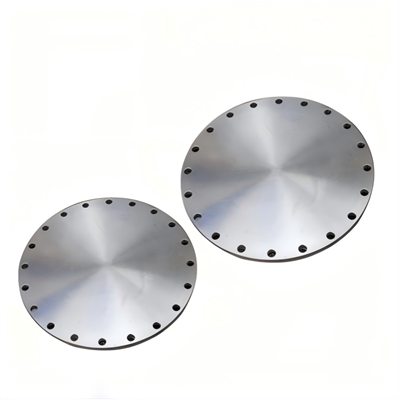
Now, let's take a look at some related types of flanges. If you're interested in other flange options, you might want to check out the EN Blind Flange. This type of flange is used to close off the end of a pipe and is often used in applications where access to the pipe is not required.
Another option is the EN Weld Neck Flange. This flange is designed to be welded directly to the pipe and provides a strong and reliable connection. It's often used in high-pressure and high-temperature applications.
And if you're looking for a more cost-effective option, you might consider the Steel Plate Flange. This type of flange is made from a flat steel plate and is a popular choice for applications where a simple and economical connection is needed.


In conclusion, the flange neck length of an EN Slip-on Flange can vary depending on the size and requirements of the application. It's important to choose the right neck length to ensure the proper performance and reliability of your piping system. If you have any questions or need help choosing the right flange for your project, don't hesitate to reach out. We're here to help you make the best decision for your needs. Whether you're a small business or a large industrial operation, we can provide you with high-quality EN Slip-on Flanges and the support you need to get the job done right. So, if you're in the market for EN Slip-on Flanges or any other type of flange, contact us today to start the procurement process. Let's work together to find the perfect solution for your project!
References:
- European Norm standards for flanges
- Industry best practices for flange selection and installation