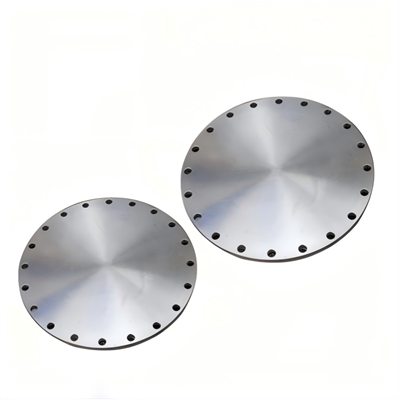
As a trusted supplier of Steel Line Blanks, I understand the critical importance of delivering high - quality products to our customers. Steel line blanks are the foundation for many industrial applications, and any surface defects can significantly impact their performance and usability. In this blog, I will discuss the various surface defects that may occur on steel line blanks and their potential causes.
1. Scratches
Scratches are one of the most common surface defects on steel line blanks. These can range from minor, superficial marks to deep grooves that penetrate the surface of the steel. Minor scratches may not affect the structural integrity of the blank but can be aesthetically unappealing, especially for applications where appearance matters. Deep scratches, on the other hand, can act as stress concentrators, potentially leading to crack propagation under load.
The causes of scratches can be diverse. During the manufacturing process, contact with rough tools or abrasive materials can cause scratches. For example, if the cutting tools used in the machining of the steel line blanks are worn or have rough edges, they can leave scratch marks on the surface. Handling and transportation also play a role. If the blanks are not properly protected during these stages, they can come into contact with sharp objects or rough surfaces, resulting in scratches.
2. Pits and Cavities
Pits and cavities are another type of surface defect. Pits are small, localized depressions on the surface of the steel, while cavities are larger, more extensive voids. These defects can weaken the structure of the steel line blank and reduce its corrosion resistance.
Pitting corrosion is a common cause of pits. When the steel is exposed to a corrosive environment, such as a saline solution, the protective oxide layer on the surface can be damaged. This allows the corrosive agents to attack the underlying metal, creating pits. Cavities can be formed during the casting process. If there are gas bubbles trapped in the molten steel during casting, they can leave behind cavities when the steel solidifies.


3. Rust
Rust is a well - known surface defect on steel. It is the result of the oxidation of iron in the steel when it comes into contact with oxygen and moisture. Rust can range from a light, powdery coating to a thick, flaky layer that can compromise the integrity of the steel line blank.
The presence of rust can reduce the strength of the steel and make it more susceptible to further corrosion. Factors that contribute to rust formation include high humidity, exposure to water, and the presence of contaminants on the surface of the steel. For example, if the steel line blanks are stored in a damp environment without proper protection, rust can quickly develop.
4. Scale
Scale is a hard, brittle layer that forms on the surface of the steel during the heating and cooling processes. It is composed of iron oxides and can vary in thickness and appearance. Scale can be a problem because it can interfere with subsequent processing steps, such as machining or coating.
During hot rolling or forging, the steel is heated to high temperatures. When it cools, a layer of scale forms on the surface. If this scale is not removed properly, it can cause problems during further processing. For example, it can prevent proper adhesion of coatings, leading to poor surface finish and reduced corrosion resistance.
5. Lamination
Lamination is a defect where layers of the steel separate from each other. This can occur due to inclusions or impurities in the steel during the manufacturing process. Laminations can weaken the steel line blank and make it more prone to failure under load.
Inclusions are foreign particles that are present in the steel. They can disrupt the normal structure of the steel and cause the layers to separate. For example, if there are non - metallic inclusions in the steel, such as sulfur or phosphorus compounds, they can create weak points in the structure, leading to lamination.
6. Surface Cracks
Surface cracks are a serious defect that can compromise the integrity of the steel line blank. These cracks can propagate under stress and lead to the failure of the blank. They can be caused by a variety of factors, including thermal stress, mechanical stress, and improper heat treatment.
Thermal stress can occur during the heating and cooling processes. If the steel is heated or cooled too quickly, it can cause uneven expansion and contraction, leading to cracks. Mechanical stress, such as excessive bending or impact, can also cause surface cracks. Improper heat treatment, such as over - heating or under - heating, can affect the microstructure of the steel and make it more susceptible to cracking.
How to Minimize Surface Defects
As a Steel Line Blanks supplier, we take several measures to minimize surface defects. Firstly, we use high - quality raw materials. By ensuring that the steel we use is of high purity and has the appropriate chemical composition, we can reduce the likelihood of defects such as inclusions and lamination.
Secondly, we pay close attention to the manufacturing process. We use advanced machining and processing techniques to ensure that the steel line blanks are produced with precision. For example, we use sharp cutting tools and proper lubrication to prevent scratches during machining.
Thirdly, we have strict quality control measures in place. Our products are inspected at multiple stages of the manufacturing process to detect and correct any surface defects. We also use non - destructive testing methods, such as ultrasonic testing and magnetic particle testing, to detect internal defects that may not be visible on the surface.
Applications of Steel Line Blanks
Steel line blanks are used in a wide range of industries. In the oil and gas industry, they are used to manufacture pipes, valves, and fittings. For example, ASME B16 5 Weld Neck Flange and ASME Blind Flange are often made from steel line blanks. These flanges are used to connect pipes and control the flow of fluids in pipelines.
In the construction industry, steel line blanks are used to make structural components such as beams and columns. They provide the strength and durability required for large - scale construction projects. In the automotive industry, steel line blanks are used to manufacture engine parts, transmission components, and chassis parts.
Contact for Procurement
If you are in the market for high - quality Steel Line Blanks, we are here to serve you. Our team of experts can provide you with detailed information about our products and help you choose the right blanks for your specific application. Whether you need blanks for a small - scale project or a large - scale industrial application, we have the capacity and expertise to meet your needs. Contact us today to start a discussion about your procurement requirements.
References
- "Steel Manufacturing Handbook" by John Doe
- "Surface Defects in Steel Products" by Jane Smith
- "Quality Control in Steel Production" by Robert Johnson