What is the pressure rating of a pipe tee?
As a pipe tee supplier, I often encounter customers who are curious about the pressure rating of pipe tees. Understanding the pressure rating is crucial for ensuring the safe and efficient operation of piping systems. In this blog post, I will delve into the concept of pressure rating, factors that influence it, and how to select the appropriate pipe tee based on the required pressure.
Understanding Pressure Rating
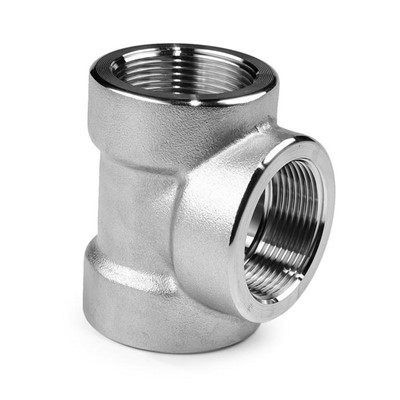
The pressure rating of a pipe tee refers to the maximum pressure that the tee can withstand without experiencing failure or leakage. It is typically expressed in pounds per square inch (psi) or megapascals (MPa). The pressure rating is determined by various factors, including the material of the tee, its dimensions, and the manufacturing process.
Pipe tees are available in different materials, such as carbon steel, stainless steel, and alloy steel. Each material has its own inherent strength and corrosion resistance properties, which affect the pressure rating. For example, carbon steel tees are commonly used in general industrial applications and have a relatively high pressure rating. Stainless steel tees, on the other hand, are preferred in applications where corrosion resistance is a concern, but they may have a slightly lower pressure rating compared to carbon steel tees.
The dimensions of the pipe tee also play a significant role in determining its pressure rating. The wall thickness of the tee is a critical factor, as a thicker wall can withstand higher pressures. Additionally, the diameter of the tee and the size of the branches can affect the pressure distribution within the tee. Larger tees may require a higher pressure rating to ensure safe operation.
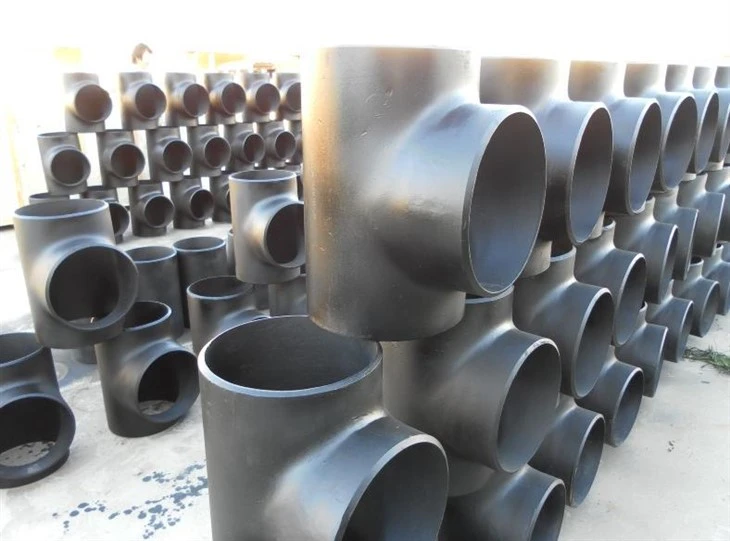
The manufacturing process of the pipe tee can also impact its pressure rating. Tees that are forged or extruded generally have a higher pressure rating compared to those that are welded. Forged tees are made by shaping a solid piece of metal, which results in a more uniform and stronger structure. Extruded tees are produced by forcing the metal through a die, which also enhances the strength of the tee. Welded tees, on the other hand, may have weaker areas at the weld joints, which can reduce the overall pressure rating.

Factors Influencing Pressure Rating
In addition to the material, dimensions, and manufacturing process, several other factors can influence the pressure rating of a pipe tee. These factors include the temperature of the fluid flowing through the tee, the type of fluid, and the installation conditions.
The temperature of the fluid can have a significant impact on the pressure rating of the pipe tee. As the temperature increases, the material of the tee may expand, which can reduce its strength. Therefore, it is important to consider the operating temperature when selecting a pipe tee. Some materials, such as stainless steel, have better resistance to high temperatures compared to others.
The type of fluid flowing through the tee can also affect its pressure rating. Different fluids have different properties, such as viscosity and corrosiveness, which can impact the performance of the tee. For example, corrosive fluids can cause damage to the tee over time, reducing its pressure rating. In such cases, it is important to select a tee made of a material that is resistant to corrosion.
The installation conditions of the pipe tee can also influence its pressure rating. Improper installation, such as incorrect alignment or excessive stress on the tee, can lead to premature failure. It is important to follow the manufacturer's installation instructions and ensure that the tee is installed correctly to maintain its pressure rating.
Selecting the Appropriate Pipe Tee
When selecting a pipe tee, it is important to consider the required pressure rating based on the specific application. Here are some steps to help you choose the right tee:
- Determine the operating pressure: Calculate the maximum pressure that the tee will be subjected to in the piping system. This can be based on the design specifications of the system or the pressure requirements of the process.
- Consider the fluid properties: Take into account the type of fluid flowing through the tee, its temperature, and any corrosive or abrasive properties. This will help you select a tee made of a material that is suitable for the application.
- Check the dimensions: Ensure that the tee has the appropriate dimensions, including the diameter, wall thickness, and branch size, to meet the requirements of the piping system.
- Review the pressure rating: Compare the pressure rating of the tee with the required pressure to ensure that it can withstand the maximum pressure without failure.
- Choose the right material: Select a tee made of a material that is compatible with the fluid and the operating conditions. Consider factors such as corrosion resistance, strength, and temperature resistance.
As a pipe tee supplier, we offer a wide range of pipe tees with different pressure ratings and materials to meet the diverse needs of our customers. Our Din Tee, Steel Tee, and ASME Tee are designed to provide reliable performance and meet the highest quality standards.
Conclusion
Understanding the pressure rating of a pipe tee is essential for ensuring the safe and efficient operation of piping systems. By considering the material, dimensions, manufacturing process, and other factors that influence the pressure rating, you can select the appropriate tee for your application. As a pipe tee supplier, we are committed to providing high-quality products and excellent customer service. If you have any questions or need assistance in selecting the right pipe tee, please do not hesitate to contact us for procurement and negotiation.
References
- ASME B16.9 - Factory-Made Wrought Steel Buttwelding Fittings
- ASTM A234 - Standard Specification for Piping Fittings of Wrought Carbon Steel and Alloy Steel for Moderate and High-Temperature Service
- DIN 2605 - Pipe Fittings; Tees