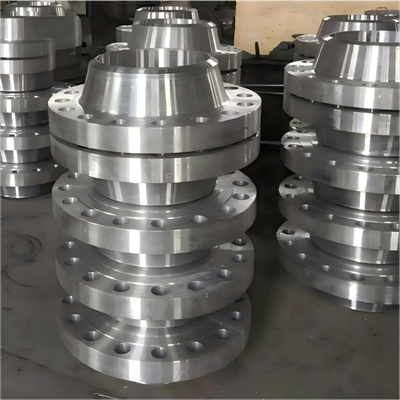
Vibration is a common phenomenon in industrial environments where threaded pipe flanges are used. As a supplier of Threaded Pipe Flanges, I've seen firsthand how vibration can impact these crucial components. In this blog, I'll delve into the effects of vibration on threaded pipe flanges, and why it's important to understand these impacts for your projects.
Loosening of Threads
One of the most immediate effects of vibration on threaded pipe flanges is the loosening of the threads. When a flange is subjected to continuous vibration, the threads that hold the flange to the pipe or other components can gradually start to unwind. This is because the vibration creates a dynamic force that acts against the frictional forces that keep the threads tightened.
Think of it like shaking a jar of nuts and bolts. Over time, the constant movement can cause the nuts to loosen from the bolts. Similarly, in a threaded pipe flange, the vibration can cause the flange to slowly come loose from the pipe. This loosening can lead to leaks, which can be a serious problem in many industrial applications. For example, in a chemical plant, a leak can result in the release of hazardous substances, posing a risk to both the environment and the workers.


Fatigue and Cracking
Another significant effect of vibration on threaded pipe flanges is fatigue and cracking. Vibration creates cyclic stress on the flange material. Each cycle of stress can cause microscopic damage to the material, and over time, these small damages can accumulate and lead to cracks.
The fatigue life of a threaded pipe flange is influenced by several factors, including the amplitude and frequency of the vibration, the material properties of the flange, and the design of the flange. For instance, if the vibration has a high amplitude and frequency, the flange will experience more stress cycles in a given period, reducing its fatigue life.
Cracks in a threaded pipe flange can compromise its structural integrity. A cracked flange may not be able to withstand the pressure and forces in the piping system, leading to failures. This can result in costly downtime for repairs and replacement, as well as potential safety hazards.
Impact on Sealing Performance
The sealing performance of a threaded pipe flange is also affected by vibration. The gasket between the flange faces is designed to create a tight seal to prevent leaks. However, vibration can cause the gasket to shift or become damaged.
When the gasket is subjected to vibration, it may not be able to maintain a consistent seal. This can lead to leaks, especially if the vibration is severe. Additionally, the vibration can cause the gasket material to wear out more quickly, reducing its effectiveness over time.
To ensure proper sealing, it's important to choose the right gasket material and design for the specific application. Some gaskets are more resistant to vibration than others, and selecting the appropriate one can help mitigate the effects of vibration on the sealing performance of the threaded pipe flange.
Solutions to Mitigate the Effects of Vibration
As a supplier of Threaded Pipe Flanges, I understand the importance of addressing the issues caused by vibration. There are several solutions that can be implemented to mitigate the effects of vibration on threaded pipe flanges.
One solution is to use locking devices. Locking devices, such as lock washers or thread-locking compounds, can help prevent the threads from loosening due to vibration. These devices work by increasing the frictional forces between the threads, making it more difficult for the flange to come loose.
Another solution is to use flexible connections. Flexible connections, such as expansion joints or flexible hoses, can absorb some of the vibration and reduce the stress on the threaded pipe flange. This can help extend the life of the flange and prevent damage.
Proper installation is also crucial in minimizing the effects of vibration. Ensuring that the flange is tightened to the correct torque and that the gasket is properly installed can help improve the sealing performance and reduce the risk of loosening and cracking.
Other Types of Flanges and Their Resistance to Vibration
In addition to threaded pipe flanges, there are other types of flanges available, such as Socket Weld Pipe Flanges and Large Diameter Flanges. Each type of flange has its own characteristics and resistance to vibration.
Socket weld pipe flanges are welded to the pipe, which provides a more rigid connection compared to threaded pipe flanges. This can make them more resistant to vibration, as the welded joint can better withstand the dynamic forces. However, the welding process requires skilled labor and proper equipment, and any defects in the weld can compromise the integrity of the flange.
Large diameter flanges are often used in applications where high flow rates or large volumes of fluid are involved. These flanges are typically thicker and heavier than standard flanges, which can make them more resistant to vibration. However, their large size can also make them more difficult to install and handle.
Conclusion
Vibration can have a significant impact on threaded pipe flanges, including loosening of threads, fatigue and cracking, and reduced sealing performance. As a supplier of threaded pipe flanges, I recommend taking proactive measures to mitigate these effects. By using locking devices, flexible connections, and ensuring proper installation, you can extend the life of your flanges and prevent costly failures.
If you're in the market for high-quality threaded pipe flanges or other types of flanges, I invite you to reach out to discuss your specific needs. Whether you're working on a small project or a large industrial application, I'm here to help you find the right solution.
References
- "Handbook of Piping Design"
- "Fluid Mechanics and Hydraulic Machines"
- Industry standards and guidelines related to pipe flanges and vibration